
 Abroadin

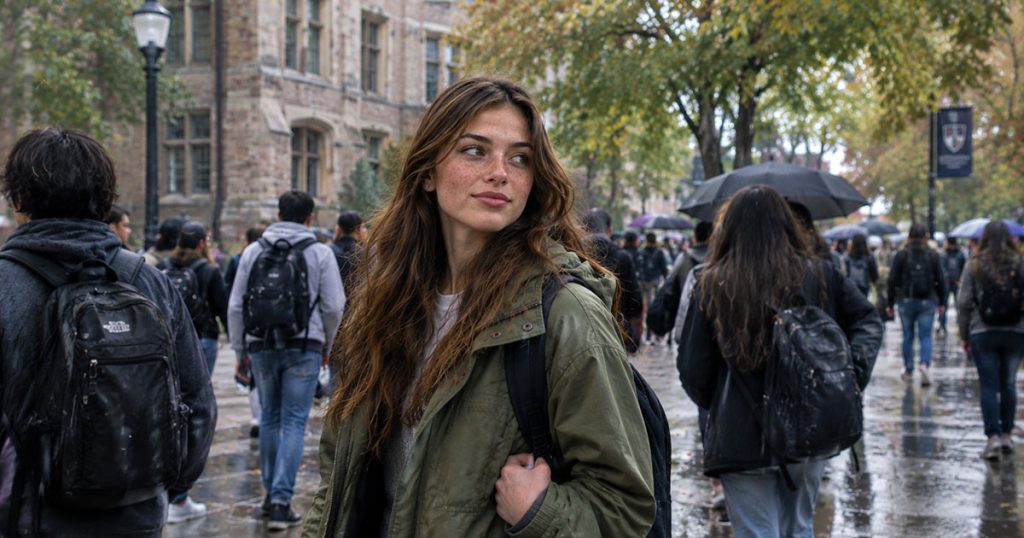
Imagine attending online classes from a cafe in Barcelona, finishing assignments by the beach in Croatia, or joining lectures while exploring a new country! For many students, this mix of travel, study, and work is just a dream. The exciting news is that with digital nomad visas available in more than 50 countries, that dream feels closer than ever. However, a digital nomad visa comes with some conditions, limitations, and trade-offs. This Abroadin post covers them all.
What Is a Digital Nomad Visa
Digital nomad visas (DNVs) allow holders to live in a foreign country while working remotely for a company or employer elsewhere. Governments created these programs to attract skilled professionals who earn money abroad but spend it locally.
In 2020, only a few countries offered DNVs, but the model has developed rapidly since then. By 2026, over 50 countries worldwide offer these visas.
Most DNV programs share a similar structure:
- You must prove remote employment or freelance work.
- Your income must come from outside the host country.
- You need health insurance and a clean legal record.
The exact income requirement varies by region, but many countries expect applicants to have between $1,500 and $4,000 per month.
The length and flexibility of digital nomad visas are different. Some countries grant stays of six months, while others allow one to two years with renewal options.
Popular destinations such as Portugal, Spain, and Croatia often offer routes to longer-term residency. It makes them attractive for those considering a semi-permanent move.
Tax rules are important too. In many cases, digital nomad visas are not subject to local taxation if income is earned abroad. However, this depends on the country and duration of stay.
Difference Between Digital Nomad Visas and Student Visas
Applicants often treat digital nomad and student visas as the same; however, they are different under the immigration system.
A student visa is for those whose primary objective is education. It permits full-time enrollment in accredited institutions and is linked to the duration of a program.
Many countries allow limited work under a student visa, but such employment is secondary and subject to limitations and restrictions on hours and types of work. Their focus is on academic progression and institutional affiliation.
In contrast, digital nomad visas are for professionals working remotely for employers or clients outside the host country. Its primary requirement is proof of stable, independent income generated abroad.
Limited forms of study may be permitted, but they are considered ancillary. It means education must not interfere with the applicant’s professional activities. The visa framework is built around economic contribution rather than educational participation.
This distinction has practical implications for daily life. Student visa holders are in academic environments, with structured schedules and access to campus resources.
Digital nomads, on the other hand, operate independently. They balance work responsibilities with flexible living arrangements.
For those whose principal aim is to obtain a degree or formal qualification abroad, a student visa is the more appropriate option.
Can Students Apply for Digital Nomad Visas
Students can apply for DNVs; however, only a specific type of student qualifies. A digital nomad visa does not care whether you are a remote worker with a stable income. It means:
- If you are studying but also earning enough remotely, you may qualify.
- If you rely on savings, part-time jobs, or student funding, you likely won’t.
Countries like Spain, Croatia, Costa Rica, and the UAE are popular among younger applicants because they offer flexible options for remote workers. However, even in these countries, authorities evaluate you as a worker first, not a student.
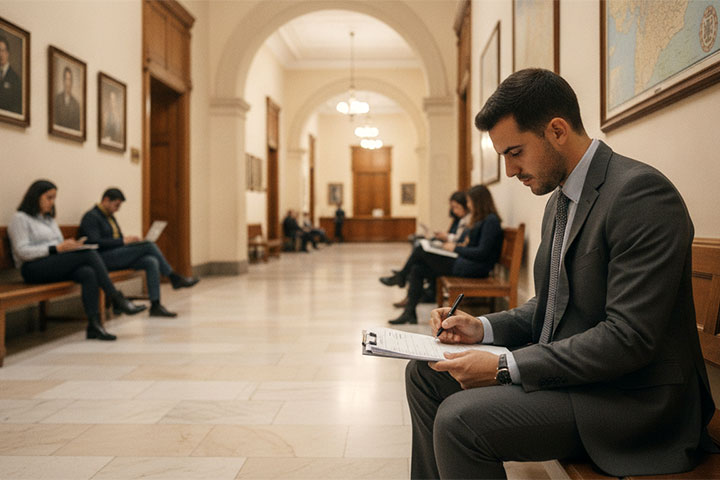
Immigration authorities require proof of consistent income through contracts, pay slips, or client agreements. This requirement is a barrier for students, as many rely on limited incomes.
Another factor is income stability. Freelance work can qualify for digital nomad visas, but only if it shows predictability and meets the minimum threshold. Occasional gigs or short-term contracts are not sufficient.
Governments want assurance that applicants can support themselves without entering the local labor market or relying on government funds.
Why Most Students Do Not Qualify
Digital nomad visas appear to be flexible, but financial requirements are the primary obstacle for most students.
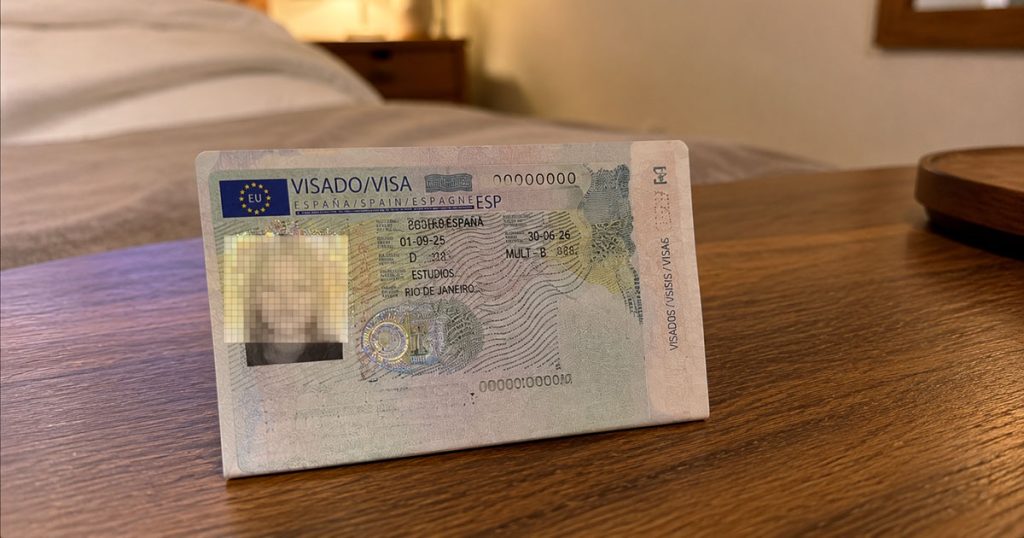
These programs are for applicants with stable, sufficient income. Many international students cannot meet this requirement. For instance, applicants in Spain must have a monthly income of €2,800-€2,900.
Such requirements show broader trends across many DNV programs. For most students with part-time work who have limited financial support, meeting these thresholds is not feasible.
Applicants must also satisfy several other criteria. Authorities require evidence of long-term employment contracts or ongoing client relationships to ensure income is consistent and verifiable.
Documentation standards involve detailed financial records, proof of remote work arrangements, and a background check.
What is Allowed to Study on a Digital Nomad Visa
The rules for study activities are often nuanced and vary by jurisdiction. This aspect of digital nomad visas requires careful consideration.
While many countries permit some level of educational engagement, such permission is conditional and secondary to the visa's primary purpose.
Limited or Flexible Study Is Permitted
In most cases, digital nomad visa holders may participate in educational activities that do not conflict with their professional obligations. These activities include:
- Enrollment in online degree programs of foreign institutions
- Participation in short-term courses or professional certifications
- Attendance in language classes
The key requirement is that such studies remain incidental to remote work. These studies are OK as long as the applicant continues to meet income requirements and maintains active employment or freelance engagement.
Full-Time Academic Enrollment Is Restricted
If an applicant enrolls in a full-time academic program within the host country, this may trigger scrutiny from immigration authorities.
In many cases, such a situation needs a transition to a student visa, which governs long-term academic residency. This distinction reflects broader policy objectives.
Governments design digital nomad visas to:
- Attract financially self-sufficient people.
- Minimize competition within local labor markets.
- Prevent the misuse of immigration categories for unintended purposes.
These criteria form the DNV framework, and potential applicants must meet them to be eligible for the program.
The Impact of Online and Hybrid Education
The expansion of digital education in recent decades has increased the possibility of combining study with a location-independent lifestyle.
Nowadays, students can complete entire degree programs online, engage in hybrid learning formats, and manage coursework across different time zones.
This flexibility aligns with the operational model of digital nomad visas. It lets people integrate professional and academic pursuits. However, success in this arrangement depends on maintaining a clear priority.

What are the Best Countries for Study and Travel
The countries presented in this section of the Abroadin article offer distinct visa frameworks that allow international travel to be integrated with ongoing education.
Spain, Digital Nomad Visas
Spain is a great destination for digital nomads in 2026. Spain’s DNV program provides a residence permit valid for up to 3 years, with the option to renew.
The minimum monthly income requirement for the primary applicant is about €2,900. This visa provides access to Spain's healthcare infrastructure and facilitates a clear path toward permanent residency.
The program allows for educational engagement if such activities remain secondary to the individual's primary commitment to remote work.
Portugal, DNVs
The Portugal digital nomad visa, also known as the D8 Visa, is popular due to the country's strong digital infrastructure and its status as an EU member.
The financial requirements have been adjusted upward; applicants must have a monthly income of at least €3,680. It is four times the current national minimum wage.
Education is permitted for those on a D8 visa, but applicants must ensure their professional obligations satisfy immigration authorities.
Croatia, Digital Nomad Visas
Croatia's digital nomad program has a temporary residence permit for up to 1 year. This permit does not guarantee a direct or permanent path to residency.
The income threshold is competitive, around €2,540 per month. Those seeking a temporary change of scenery rather than a permanent relocation prefer Croatia.
It is a suitable option for students with a stable, high-income remote career who wish to pursue short-term educational or professional projects in a Mediterranean setting.
Emerging Destinations with DNVs
Countries such as Mexico, Costa Rica, and Georgia are accessible entry points. They often face lower-income barriers than the European countries mentioned above.
- Mexico offers a temporary resident visa that is great for long-term stays. The income requirements vary by consulate but range from $1,500 to $2,000 per month.
- Costa Rica’s visa allows for a one-year stay with an extension option. It needs an income of $3,000 per month.
- Georgia offers visa-free entry for many nationalities for up to 365 days with no specific income requirement and no income tax on foreign-sourced earnings.
These countries are popular among early-stage freelancers and recent graduates who prioritize flexibility and affordability.
Conclusions
Digital nomad visas are reshaping how people live, work, and learn, but they don’t replace traditional student pathways. If you approach them with the right expectations, they can open doors to a new and exciting lifestyle. Applicants must be workers first and students second.
If you can meet that requirement and handle the financial and legal responsibilities, you can study and travel at the same time. If you want to know more about this program and other opportunities, subscribe to Abroadin’s newsletter just below this article.
Frequently Asked Questions
1. What are the differences between digital nomad visas and student visas?
Student visas prioritize academic enrollment and are tied to educational institutions. Digital nomad visas are for remote professionals and require proof of stable income from sources outside the host country.
2. Can I study full-time while holding a digital nomad visa?
A digital nomad visa is for those whose primary purpose is professional work. Full-time academic enrollment often requires switching to a student visa.
3. Do I need to meet specific income requirements for a DNV if I am a student?
The eligibility depends on meeting financial thresholds. Regardless of your student status, you must prove a consistent, high monthly income from remote work.
4. Which countries are the most popular for digital nomad visas?
Spain, Portugal, and Croatia are popular due to their flexible infrastructures. These countries permit incidental study alongside professional work.
5. What are the most common financial barriers to obtaining digital nomad visas?
The primary barrier is the high minimum monthly income threshold, often exceeding €2,500–€3,000. Applicants must provide solid documentation, such as long-term contracts and consistent proof of income.
Talk to an Abroadin advisor and get clarity on destinations, documents, funding possibilities, and your smartest next step.