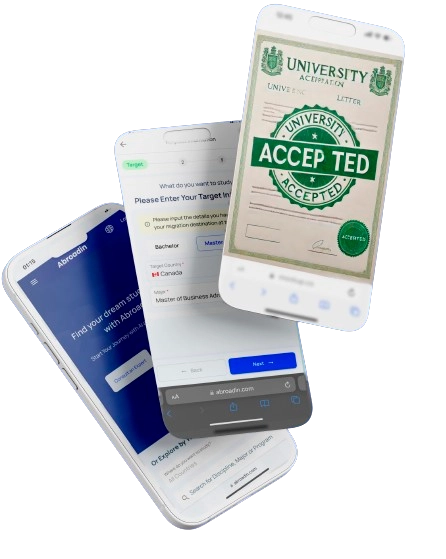

 Abroadin
What is a Post-study Work Visa?
The single most critical factor for determining the ability to remain and work internationally is the applicant’s legal eligibility.
Before applying, you must research the specific post-study work visa options available in the target country. Post-study work visa rules vary from country to country.
Applicants who don’t understand these timelines and requirements often struggle to get a job abroad after graduation.
Many countries offer specific visas to retain highly educated international talent after graduation. The post-study work visa programs usually grant graduates 12 to 36 months of open work authorization, for instance:
- Graduate Route in the UK,
- Post-Graduation Work Permit (PGWP) in Canada, and
- Optional Practical Training (OPT) in the US.
These visas allow you to work, but they do not guarantee employment. They buy you some time to establish professional preparations and transition to a long-term sponsored employment visa.
If your preferred country does not offer a post-study route, or if your post-study authorization period is ending, you must secure a job offer from an employer willing to sponsor a long-term work permit.
Employers must usually show the immigration authorities that they could not find a suitable local candidate for the role before hiring an international graduate.
Therefore, you must present an exceptionally compelling value proposition. Your international experience, language skills, or specialized knowledge must differentiate you from domestic applicants.
Focus your search on large multinational corporations or sectors suffering from talent shortages to get a job abroad after graduation. These entities are more experienced and equipped to handle the complexities of visa sponsorship.
Which Countries Offer Post-study Work Visa?
Some countries offer streamlined visa paths for international graduates to fill their specific labor gaps. So focus your efforts on countries with immigration systems that attract skilled international graduates.
The following countries recognize the economic benefit of integrating highly educated individuals and allow students to get a job abroad after graduation:
- Canada: The Post-Graduation Work Permit (PGWP) is exceptionally flexible, allowing graduates from approved institutions to work for up to three years.
- Germany: Graduates can often secure an 18-month job-seeking visa and benefit from the EU Blue Card system if they secure a role in STEM fields.
- Australia: Offers various temporary graduate visa streams based on the level of study and field, intended to provide pathways toward skilled migration.
Investigating these incentives allows you to target your applications toward employers who are already accustomed to hiring internationally.
This targeted approach minimizes the bureaucratic friction associated with securing work authorization and lets applicants get a job abroad after graduation more easily.
How to Prepare to Get a Job Abroad after Graduation?
If you want to get a job abroad after graduation successfully, the work must begin long before your final semester.
Strategic steps during your study period increase marketability and network strength. The following are some practical actions you should consider:
Build a Global Professional Network
Networking is a bonding ring in the global labor chain, where professional connections fill the unadvertised jobs.
Attend industry conferences, career fairs specific to your field, and alum events hosted by your university.
Do not limit your networking to other international students; seek out and connect with professionals working in your target industry in the host country.
Use LinkedIn intensely, reaching out for informational interviews—short, low-pressure conversations where you learn about a professional’s career path and industry.
These connections provide invaluable insight into company culture and hiring cycles. They even serve as referral points when positions become available.
Consider Skills and Local Experience
Employers prefer graduates who understand the local business environment and have experience with practical work ethics within that cultural context.
Internships, part-time work, and volunteer positions secured during your studies are not merely resume fillers. They are proof of adaptability and commitment to the local market.
To get a job abroad after graduation, seek internships relevant to your degree. Focusing on opportunities at local companies or the regional branches of multinational firms.
Even if the internship is unpaid or short-term, the resulting professional reference and localized experience significantly boost your credibility during the final job interviews.

How to Do an Advanced International Job Search?
The process of finding employment abroad is very different from that of finding domestic jobs. In foreign countries, you should abide by their rules, which is a big difference.
Applicants abroad must have specialized tools, targeted platforms, and a refined application approach to maximize chances of success and get a job abroad after graduation.
Use Industry-Specific Resources to Get a Job Abroad after Graduation
There are some reliable platforms, such as LinkedIn and Indeed, for international job search; however, you should diversify your search to include niche, regional job boards and specific databases aimed at international mobility.
Many companies list vacancies only on their official websites or through specialized recruitment agencies. So always consider checking the websites of your related companies.
You must use resources that streamline the complex process of understanding international work permissions.
For example, when researching specific visa pathways and eligibility requirements across different nations, consult Abroadin experts who have personally taken those routes.
Master Global Application Strategies
You cannot use a standardized resume and cover letter for an international job search. Application documents must comply with the professional norms of the target country.
In some European countries, including a professional photo is expected; in others, like the US, it is forbidden. Similarly, the format of a CV often differs from a resume.
Research the preferred length, sections, and language style for professional documents in your desired market.
Focus on quantifying your achievements rather than simply listing duties. Employers abroad often look for measurable impact.
Prepare for Interviews to Get a Job Abroad after Graduation
International interviews may require you to bridge cultural gaps while showing your competency.
Be prepared for multiple interview stages conducted remotely, often across challenging time zones. Ensure your technology setup is flawless, as technical glitches reflect poorly on your professionalism.
When answering behavioral questions, weave examples that highlight your cross-cultural communication skills, adaptability, and resilience. Employers value these qualities highly in international hires.
Anticipate questions about your visa status and prepare clear, concise answers that highlight the security and benefits of your current status or your future potential sponsorship pathway.
What are the Challenges to Get a Job Abroad After Graduation
While immigration is the primary structural challenge, successful integration requires overcoming significant linguistic, cultural, and logistical hurdles.
These factors influence not only your ability to secure the job but also your long-term success in the role.
Language Proficiency and Cultural Integration
Even if the primary language of business is English, fluency in the local language is considered a strong unspoken requirement for professional integration.
If you are applying to a non-English-speaking country, practice extensively to learn and achieve proficiency in the local language.
This approach signals respect for the culture and facilitates better communication with colleagues, clients, and suppliers.
Furthermore, understand the local professional culture. It includes norms around hierarchy, decision-making processes, punctuality, and work-life balance.
For instance, workplace communication styles can range from highly direct (common in Germany) to deeply indirect and context-heavy (common in Japan).
Demonstrating cultural awareness in interviews and early interactions can alleviate employers' concerns that you will struggle to adapt to the local business environment.
Financial Planning and Relocation Logistics
Securing the job is only the first step; funding the transition requires careful financial planning to get a job abroad after graduation.
International job offers often include relocation provisions, but many entry-level positions do not.
You must budget for high upfront costs, including visa application fees, flight expenses, housing security deposits, and several months of living expenses.
Research typical starting salaries for your industry and location to ensure the offer meets your financial needs. Be realistic about the cost of living. A high salary in one city might be barely adequate in another.
Prepare all necessary documentation, including academic transcripts, police clearance certificates, and medical records, in certified, translated formats well in advance of the start date to prevent last-minute delays in visa processing or HR onboarding.

How to Finalize the Offer and Transition
Once you receive a job offer, the negotiation and contractual phase demands attention to detail, especially regarding international law and compensation structures.
These are some practical steps you should take toward finalizing the offer and transitioning to your new role and eventually work visa:
Contract Negotiation and Legal Review to Get a Job Abroad after Graduation
Never assume that a foreign employment contract operates exactly like one you would encounter in your home country.
Review the contract thoroughly, focusing on key elements such as probationary periods, termination clauses, vacation entitlement, and, crucially, the employer's explicit commitment to visa sponsorship and associated costs.
If the job requires visa sponsorship, the contract must clearly define which party is responsible for visa fees, legal costs, and the timely filing of necessary documents.
If you possess a post-study work visa, the employer’s obligation might be limited now. Make sure there is a plan or commitment for future long-term sponsorship if you intend to remain in the country beyond the visa's expiration.
Seek legal advice from an immigration lawyer specializing in your target country's labor law before signing.
Cultural and Professional Integration
The final stage involves managing the practicalities of relocation and ensuring immediate success in your new role.
Upon arrival, dedicate your energy to swiftly handling administrative tasks such as registering with local authorities, opening bank accounts, and securing housing.
At work, prioritize observation and listening in the first few weeks. Integrate with your team by participating in social activities, demonstrating initiative, and asking questions about organizational processes.
By maintaining open communication and showing enthusiasm for the job and also the cultural environment, you solidify the employer’s decision to hire you.
Conclusion
Securing an international role requires proactive effort, strategic networking, and a deep understanding of global mobility policies. Use resources, optimize your documents for an international job search, and understand how to leverage your post-study work visa to gain the competitive edge you need to get a job abroad after graduation.
Start planning your immigration path today and take decisive action to launch your global career.
Talk to an Abroadin advisor and get clarity on destinations, documents, funding possibilities, and your smartest next step.